


Kidney disease is increasingly becoming a serious public health challenge in Ghana, with a growing number of cases reported among both adults and children nationwide.
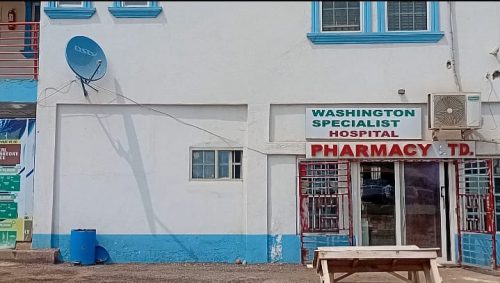
Addressing the issue in an interview, Dr. Osei Tutu, Medical Director of Washington Specialist Hospital at Sofoline, attributed the rise in kidney-related conditions to a combination of lifestyle, medical, and environmental factors.
He explained that the kidneys are essential organs responsible for filtering waste from the bloodstream and regulating blood pressure, making kidney health critical to overall wellbeing.

Dr. Tutu identified diabetes and hypertension as leading causes of kidney disease, alongside genetic factors and the widespread practice of self-medication.
He expressed concern over the frequent use of unprescribed drugs and unregulated herbal medicines, warning that prolonged intake can gradually damage kidney function.

He further pointed to environmental pollution as a contributing factor, particularly water contamination caused by illegal mining activities (galamsey) in some communities.
According to him, exposure to polluted water increases the risk of kidney-related illnesses.
The Medical Director emphasized that kidney disease can be prevented if detected early. He encouraged the public to prioritize regular medical checkups, limit the use of painkillers, avoid self-medication, and adopt healthier lifestyles to reduce their risk.
In a related development, Miss Loretta Ofori, Administrator of D’Washington Specialist Hospital, stated that the facility has intensified public education on kidney disease and other non-communicable diseases.
She disclosed that the hospital will officially launch IV infusion therapy on February 21, 2026, aimed at promoting kidney and liver health and enhancing overall immunity and energy levels.
She also announced that on February 14, the entire hospital staff will embark on a community clean-up exercise at Sofoline, including sweeping and desilting gutters, as part of the hospital’s corporate social responsibility efforts to promote preventive healthcare and environmental sanitation.
Miss Ofori used the opportunity to appeal to the government to improve kidney care under the National Health Insurance Scheme (NHIS).
She called for an increase in the number of dialysis sessions covered by NHIS from two to three per week, noting that the current arrangement places a heavy financial burden on patients.
She further advocated for the inclusion of kidney medications and fistula procedures under the scheme to encourage early and affordable treatment.
Health professionals warn that addressing the rising incidence of kidney disease in Ghana will require a coordinated effort from individuals, healthcare institutions, and government agencies to reduce risk factors, improve access to care, and protect public health.

Enock Akonnor is an experienced Ghanaian journalist, based in Kumasi and currently serves as the CEO and Managing Editor of www.leakyghana.com.
With a wealth of expertise built over many years in the media industry, he has earned a solid reputation as one of Ghana’s most sought-after journalists.
Contact:
📞 +233 541 921 562
✉️ enockakonnor2013@gmail.com