

Ghana has successfully wrapped up a decisive World Bank Mid-Term Review Mission for the Ghana Digital Acceleration Project (GDAP), reinforcing the country’s commitment to delivering high-impact digital transformation outcomes.

The mission took place from 1st–9th December 2025, bringing together a high-level delegation of World Bank experts and national stakeholders to assess progress and strengthen implementation strategies.

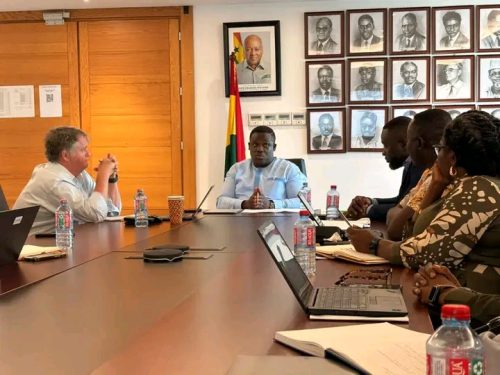
The World Bank team led by Stephen Davenport and Natalija Gelvanovska-Garcia worked closely with Edwin Amoako, Coordinator of the GDAP Project Coordination Unit (PCU), and the Ministry of Finance’s World Bank Unit.

Discussions and technical sessions focused on evaluating achievements to date, identifying areas for acceleration, and shaping an implementation pathway aligned with Ghana’s digital development priorities.
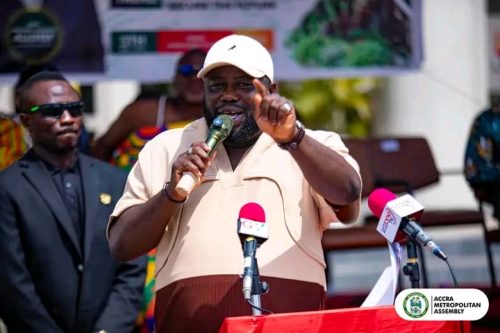
A key highlight of the mission was an engagement with Hon. Sam George, Minister for Communications, Digital Technology and Innovation, who reaffirmed government’s commitment to leveraging GDAP as a driver of national digital transformation. The minister emphasized priority areas such as:

- Strengthening AI readiness and innovation capacity
- Expanding access to digital public services
- Enhancing national cybersecurity frameworks
- Improving last-mile connectivity for underserved communities
- Upgrading national data center infrastructure
- Establishing a secure and interoperable data exchange hub
- Creating more digital job opportunities for young people
The mission concluded with a refined and strengthened roadmap designed to accelerate delivery in the next phase of GDAP.
Officials note that the improved strategy positions the project to deliver transformative benefits for citizens, businesses, and public institutions, while reinforcing Ghana’s ambition to become a leading digital economy in the region.
The successful completion of the mid-term review marks a crucial step in ensuring that GDAP continues to advance inclusive digital growth and long-term socioeconomic progress.

Enock Akonnor is an experienced Ghanaian journalist, based in Kumasi and currently serves as the CEO and Managing Editor of www.leakyghana.com.
With a wealth of expertise built over many years in the media industry, he has earned a solid reputation as one of Ghana’s most sought-after journalists.
Contact:
📞 +233 541 921 562
✉️ enockakonnor2013@gmail.com