

By Enock Akonnor (Managing Editor) enockakonnor2013@gmail.com
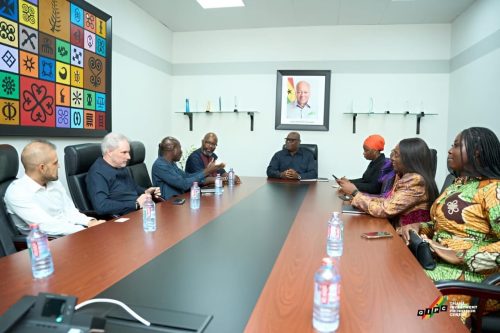
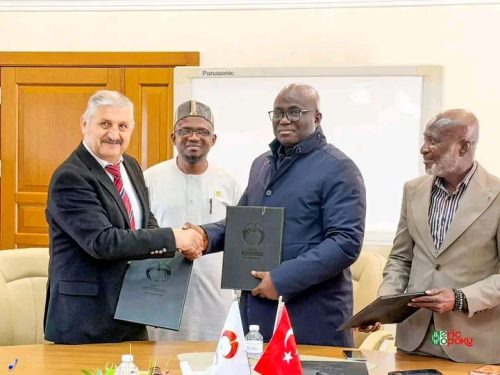
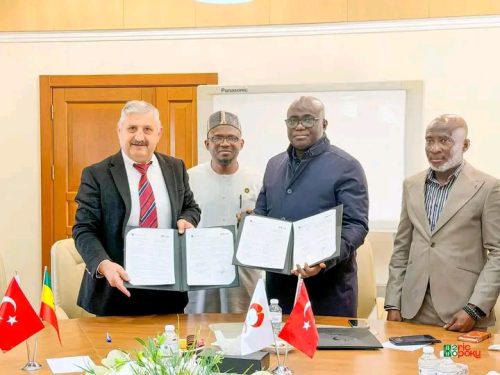
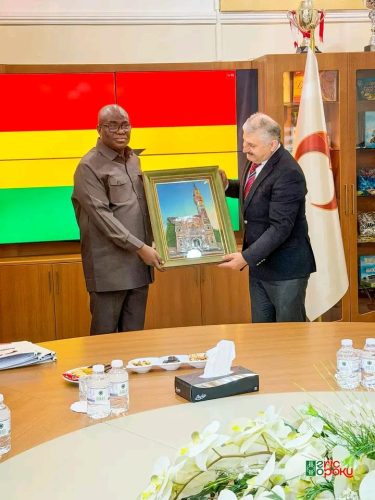
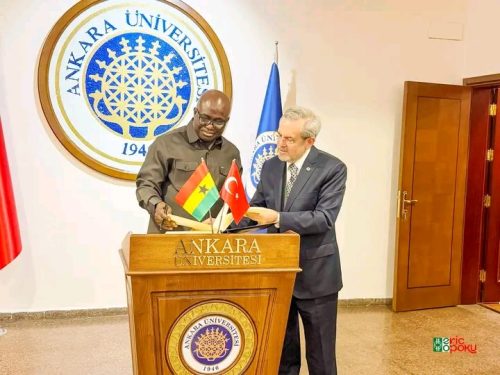
The Minister for Food and Agriculture, Hon. Eric Opoku, has signed a Memorandum of Understanding (MoU) with GIDA VE TARIM University in Turkey to enhance agricultural education and professional training opportunities for Ghanaian students.


The agreement, signed on behalf of the Government of Ghana and His Excellency John Dramani Mahama, is aimed at strengthening capacity development within Ghana’s agricultural sector through a structured scholarship programme.

Under the partnership, Ghanaian students will have the opportunity to pursue academic and professional studies in various agriculture-related disciplines at the Turkish institution.

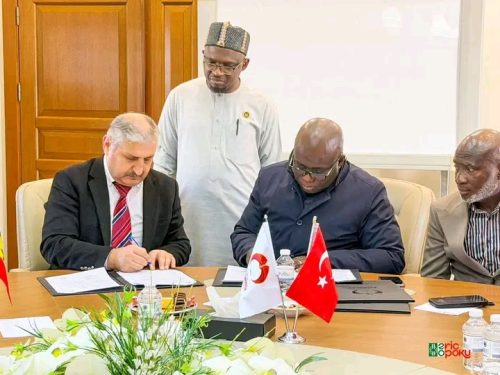
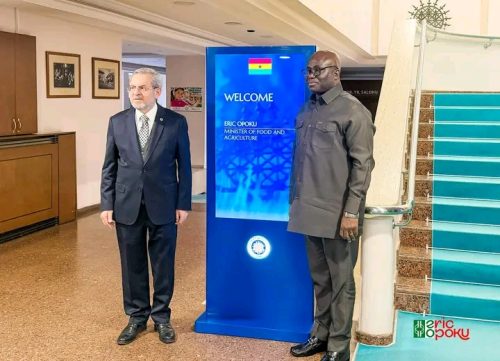
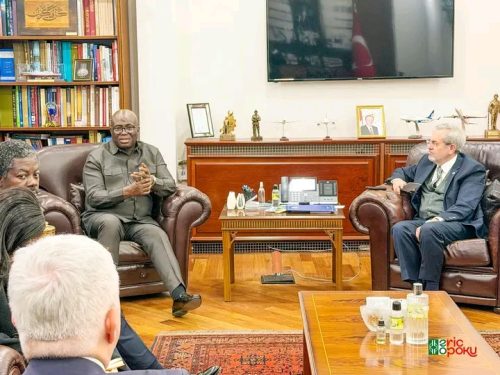
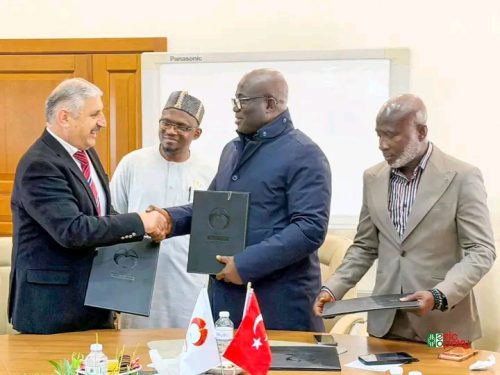
The scholarships will focus on equipping beneficiaries with advanced technical knowledge, modern farming practices, agribusiness management skills, and innovative agricultural technologies.

Speaking after the signing ceremony, Hon. Eric Opoku described the agreement as a significant milestone in the Government’s efforts to transform Ghana’s agro-industrial sector through strategic human capital development.
“This collaboration opens new doors for our young people to acquire world-class training in agriculture. It reflects our commitment to investing in the skills and expertise needed to modernize and strengthen Ghana’s agricultural value chain,” he stated.
GIDA VE TARIM University, known for its specialization in agricultural sciences and research, will provide scholarships across multiple programmes designed to build technical proficiency and innovation capacity.
The Ministry of Food and Agriculture indicated that the initiative forms part of broader efforts to enhance productivity, promote knowledge transfer, and develop a highly skilled workforce to drive sustainable growth in Ghana’s agro-industrial economy.
The MoU is expected to deepen bilateral cooperation between Ghana and Turkey in the areas of agricultural research, training, and technology exchange, while positioning Ghana’s agricultural sector for long-term competitiveness and transformation.

Enock Akonnor is an experienced Ghanaian journalist, based in Kumasi and currently serves as the CEO and Managing Editor of www.leakyghana.com.
With a wealth of expertise built over many years in the media industry, he has earned a solid reputation as one of Ghana’s most sought-after journalists.
Contact:
📞 +233 541 921 562
✉️ enockakonnor2013@gmail.com