

The 2025 WASSCE results are a stark reminder that Ghana’s education system is at a crossroads. The catastrophic performance of students is not a mere coincidence, but a symptom of a deeper malaise- a system that is fundamentally flawed and in dire need of overhaul.
The title “System Failure” is not hyperbole; it is a cold, hard fact. The system has failed to provide students with the skills and knowledge necessary to succeed in the 21st century.

A Curriculum of Contradictions

In 2018, Ghana introduced the Standards-Based Curriculum (SBC), a bold move aimed at equipping students with critical thinking, creativity, and problem-solving skills. However, this vision is starkly contradicted by the examination system, which remains rooted in rote memorization and regurgitation. This dichotomy has created a generation of students who are ill-equipped to navigate the complexities of the 21st century. The system’s failure to align the curriculum with the examination system is a clear indication of its own failure.
The Human Cost of Policy Failure

The consequences of this policy failure are stark. Students who were nurtured on the SBC are now being penalized for not conforming to an outdated examination system. The result is a generation of students who are demoralized, demotivated, and disillusioned. The human cost of this failure is immeasurable, and it is imperative that we take immediate action to rectify this situation. The system’s failure to support these students is a betrayal of their trust and a waste of their potential.
The Anatomy of a Failed System
The blame for this crisis lies squarely at the doorstep of the National Council for Curriculum and Assessment (NaCCA) and the West African Examinations Council (WAEC). The disconnect between curriculum design and assessment methodology is a recipe for disaster. It is imperative that we modernize our examination system to reflect the changing needs of the 21st century. The system’s failure to adapt to these changes is a clear indication of its own obsolescence.
A Call to Action
To address this crisis, we must take immediate action. Firstly, national assessments must be redesigned to reflect the standards-based curriculum, ensuring that students are tested on the skills they have been taught. This should be accompanied by the introduction of project-based evaluations and internal assessments, which will provide a more comprehensive picture of a student’s abilities.
Teachers must be provided with the necessary training and resources to deliver the SBC effectively, and the examination system must be modernized to reflect the changing needs of the 21st century. This includes embracing technology and innovative assessment methods that test critical thinking, creativity, and problem-solving skills.
The government must also provide adequate resources to schools, particularly in rural and underserved areas, to ensure that students have access to the same opportunities as their peers in more affluent areas. This includes investing in textbooks, laboratories, and digital infrastructure.
Ultimately, the future of Ghana depends on the success of its education system. We owe it to our children to provide them with an education that prepares them for the challenges of the 21st century. It is time for Ghana to take its education system seriously and make the necessary changes to ensure a brighter future for all.
The 2025 WASSCE results are a wake-up call. It is time for Ghana to act. The system has failed, and it is time for a change.
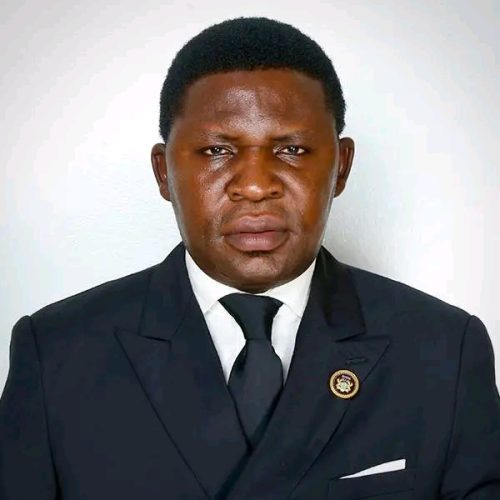
By Obenfo Nana Kwasi Gyetuah, Executive Director, Ghana National Council of Private Schools (GNACOPS)

Enock Akonnor is an experienced Ghanaian journalist, based in Kumasi and currently serves as the CEO and Managing Editor of www.leakyghana.com.
With a wealth of expertise built over many years in the media industry, he has earned a solid reputation as one of Ghana’s most sought-after journalists.
Contact:
📞 +233 541 921 562
✉️ enockakonnor2013@gmail.com